
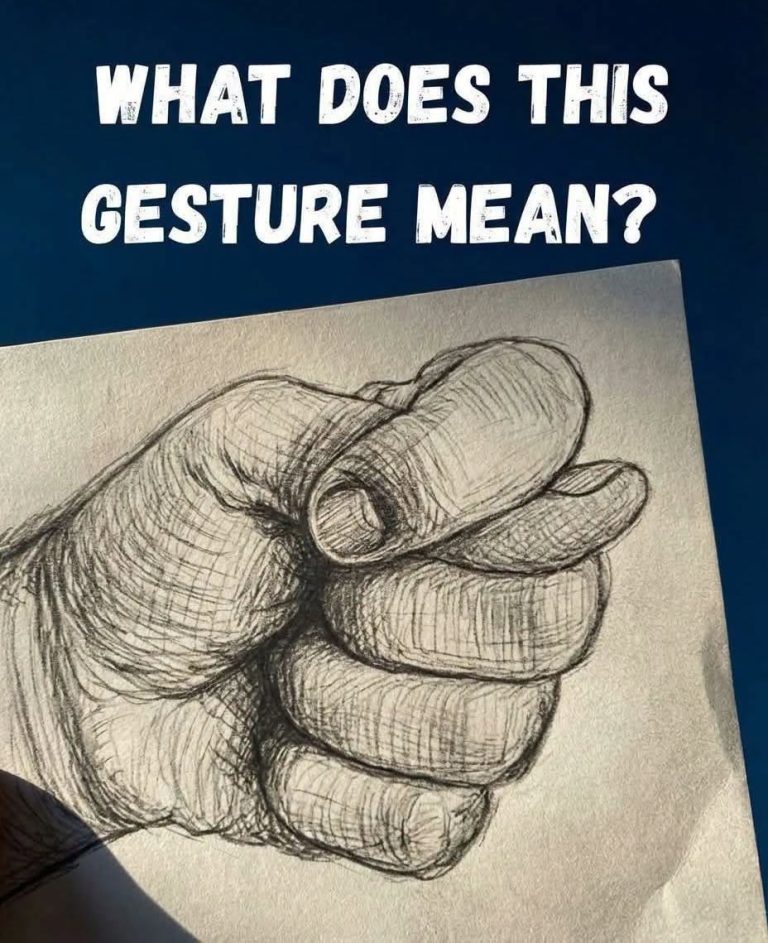
defiance—without ever creating open conflict.
The fig gesture was one of those tools.
With a quick, discreet motion, it could:
Politely refuse a request
Signal quiet disagreement
Lighten a tense moment with
subtle humor
Maintain dignity without escalating a situation
Its true power came from shared understanding. If you knew, you knew.
A Quiet Symbol of Defiance in 19th-Century Europe
In parts of 19th-century Europe, where etiquette and composure were deeply valued, the fig gesture became a clever social shortcut.
Rather than openly arguing or risking embarrassment, people used it to set boundaries—silently.
It was especially useful in delicate social






Comments